Best Mirrors for Doorless Jeep Driving: A Buyer's Guide
By Emma Lawson · Published · 6 minutes read
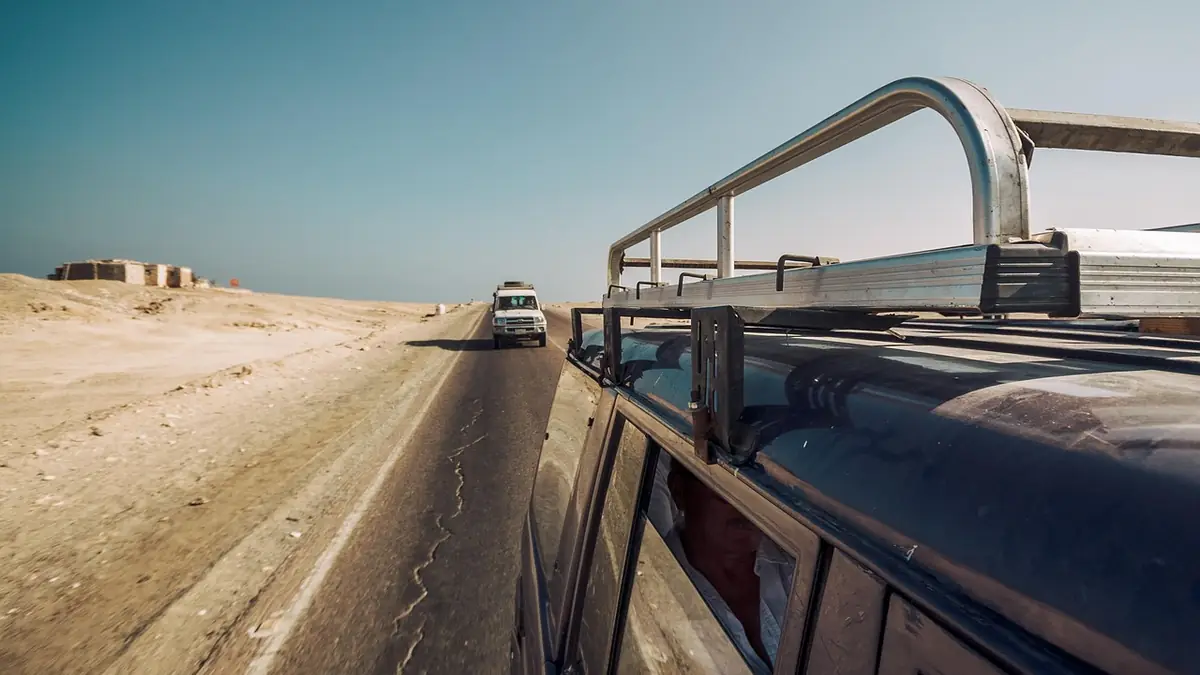
Driving a Jeep without doors is one of the great small pleasures of ownership: better visibility, easier conversation, and that open-air feel. It also removes your side mirrors, which is a problem for safety, comfort, and in many places, the law. The fix is a set of purpose-built mirrors that mount to the windshield frame, the A-pillar, or a bracket that slips into the door hinge.
The market is crowded and prices swing from about $20 to well over $200 per pair. This guide walks through the mirror types worth considering, how each mounts, what actually matters when you are bouncing down a gravel road, and how to stay on the right side of local rules without overspending.
Start With the Legal Question, Not the Hardware
Before you compare products, check what your jurisdiction requires. In most of the United States, a vehicle must have at least one mirror giving a clear view to the rear, and many states specify a driver-side exterior mirror whenever the interior mirror is obstructed or missing. Rules vary enough that a setup legal in one state may not be in the next, and enforcement ranges from a warning to a fix-it ticket.
Practical reading: keep at least a driver-side exterior mirror mounted whenever the doors are off, and add a passenger-side mirror if you tow, drive in dense traffic, or share the vehicle with less experienced drivers. If you cross state or national borders, assume the stricter interpretation. A pair of mirrors is cheap compared with a roadside argument or an insurance dispute after a lane-change collision.
One more point: mirrors are a safety device, not styling. A $30 pair that stays put and shows a clear image beats a $180 set that whistles at highway speed and folds flat in the wind. Buy for function first.
- Most regions require at least one rear-facing mirror
- Many require a driver-side exterior mirror when doors are removed
- Requirements differ by state and country—verify locally
- Passenger-side mirrors are strongly advised for towing or heavy traffic
The Four Mirror Types Worth Knowing
Round convex mirrors are the classic doorless choice. Typically 3 to 4 inches across, they give a wide field of view and are popular because they look right on a Jeep. The trade-off is distortion: objects appear smaller and farther away than they are, so you need a beat to recalibrate your distance judgment. They work well on the trail and acceptably on the road once you adjust.
Rectangular mirrors, often 4 by 6 inches or so, give a flatter, more natural image and suit drivers who do a lot of highway miles. They are bulkier and catch more wind. Long-arm or 'trail' mirrors extend outward on a flexible stalk so you can see past a wide tire or a loaded cargo rack; they are the most practical for lifted Jeeps but also the most prone to vibration.
Finally, there are replacement housings that mimic factory mirrors on a removable bracket. They cost the most, typically $150 to $250 a pair, but offer the best image quality and the least wobble. If your Jeep is a daily driver, this is usually money well spent.
- Round convex: wide view, some distortion, best value
- Rectangular: flatter image, better for highway use
- Long-arm trail: clears wide tires, more vibration
- Factory-style on bracket: best image, highest price
Mounting Options and What They Do to Your Doors
Hinge-mount brackets drop into the door hinge knuckle and hold the mirror on a short arm. They are the most common aftermarket solution, install in minutes with no drilling, and let you pull the whole assembly off when you refit the doors. Check that the bracket is sized for your hinge style—Jeep hinge dimensions have changed across model generations, and a loose fit translates directly into mirror shake.
Windshield-frame and A-pillar mounts bolt to the frame or clamp around the pillar. They are rock solid and keep the mirror high, which helps when the view is blocked by passengers or cargo. The downside is that they stay on the vehicle, so you need to think about clearance in garages and car washes. Some kits require drilling, which is a permanent decision on a vehicle you may later sell.
Quick-release and bar-mounted options exist too, including mirrors that clamp to a roof rack or roll bar. These are handy for trail-only rigs but rarely give a stable enough image for highway driving. Whatever you choose, test the fit with the doors off and the steering wheel turned—vibration shows up first under load.
- Hinge brackets: no drilling, easy on/off, watch the fit
- Windshield/A-pillar: most stable, often permanent
- Quick-release and bar mounts: fine for trail, weak on highway
| Type | Typical Price (pair) | View Quality | Highway Suitability | Best For |
|---|---|---|---|---|
| Round convex, hinge mount | $20–$45 | Wide, some distortion | Fair | Budget trail and around town |
| Rectangular, hinge mount | $40–$80 | Flat, natural | Good | Mixed road and trail driving |
| Long-arm trail mirror | $50–$100 | Wide, clears big tires | Fair | Lifted Jeeps, wide tires |
| Factory-style on bracket | $150–$250 | Best, minimal shake | Excellent | Daily drivers |
| Bar/rack clamp mirror | $25–$60 | Narrow, shaky | Poor | Trail-only rigs |
Vibration, Wind Noise, and the Details That Annoy You Later
Vibration is the number one complaint about cheap doorless mirrors, and it comes from three places: a loose bracket, a thin stalk, and a small mirror head with no damping. Look for brackets with a rubber or nylon insert, arms at least 6 to 8 mm thick, and a mirror head that tightens with a proper lock nut rather than friction alone. A convex mirror on a flimsy arm turns headlights behind you into a strobe.
Wind noise is the second issue. Round mirrors with flat backs tend to whistle above roughly 50 to 60 mph; models with a slight aerodynamic housing are quieter. If you do long highway stretches, plan on hearing the mirrors, and consider whether that bothers you more than the extra cost of a factory-style set.
Glass quality matters too. Real glass with a proper backing outlasts plastic lenses that haze after a season of sun and dust. Replacement glass and hardware should be available separately, because a cracked mirror should not mean buying a whole new kit.
- Rubber or nylon inserts in the bracket reduce shake
- Arms of 6–8 mm or thicker hold adjustment better
- Lock nuts beat friction joints
- Check that replacement glass is sold separately
Budget, Brands, and What to Actually Spend
Expect roughly $20 to $45 for a basic pair of hinge-mount round mirrors, $50 to $100 for long-arm or rectangular sets with better hardware, and $150 to $250 for factory-style replacement housings on brackets. At the top end, some kits include both a flat and a convex head, which is genuinely useful: flat for judging distance, convex for blind spots.
It is worth buying from a seller that lists hinge compatibility and offers spare parts. Off-road use is hard on small hardware, and the ability to order a single replacement arm or lens saves you from rebuying the set. Read reviews specifically for the vibration complaint rather than for looks; styling photos tell you nothing about a 70 mph shake.
If you are outfitting the vehicle for a first big trip, budget for mirrors alongside the rest of your kit rather than as an afterthought. A little planning here pays off the same way it does in other areas of preparation—see our Surf Camp Packing List: 15 Essentials for Tenerife for how a short, specific list beats a pile of gear. And if you are weighing bigger vehicle-related purchases, the same discipline applies as in 10 Essential Things You Should Know Before Starting a Business: know the real cost before you commit.
A Simple Selection Checklist
Work through four questions in order. First, what does your state or country require, and will you cross borders? Second, what is the mix of highway versus trail driving? Third, which hinge or mounting style fits your exact model year? Fourth, what is your budget per pair, including a spare parts plan? Answering these in sequence eliminates most of the catalog.
Then do a physical test if you can. Sit in the driver's seat with the mirror mounted and check that you can see a lane's width behind you without leaning. Tighten everything, drive a stretch of rough road, and re-check. If a mirror moves, return it—do not 'live with it.'
Finally, store the mirrors with the doors. A labeled bin for door hardware, bolts, and mirrors means you are not hunting for brackets every time the weather turns. That single habit prevents most of the frustration people blame on the mirrors themselves.
- Confirm legal minimums for your area
- Match mirror type to your highway/trail split
- Verify hinge or frame fit for your model year
- Test the view from the driver's seat before keeping it
- Store mirrors and door bolts together, labeled
- Check local mirror laws first; most areas require at least a driver-side exterior mirror with doors off.
- Hinge-mount round convex mirrors are the best value, but expect some image distortion.
- Vibration comes from loose brackets and thin arms—buy rubber inserts and lock nuts.
- Spend $150–$250 on factory-style brackets if the Jeep is a daily highway driver.
Emma Lawson is the editor of Toffec, with years of experience in lifestyle and business writing. She enjoys helping readers navigate everyday challenges with practical advice. Her focus is on clear, actionable content that improves daily life.